Evidence-Based Practices: High Incidence Training & Consultation
Empowering educational teams to implement research-based strategies that support all learners across academic and behavioral domains
Our Purpose
At IU1, our Training & Consultation (TaC) service supports educators, school teams, administrators, and families in implementing evidence-based practices (EBPs) for students with high-incidence needs. Through consultation and professional development, we help teams design, deliver, and evaluate interventions that promote student success in academics, behavior, and social-emotional learning
What is “High Incidence”?
The term “high incidence” refers to disabilities or learning needs that occur more frequently in the school-age population. These students are often served within general education settings and may require support related to learning, communication, social skills, or behavior.
Examples include:
- Specific learning disabilities
- Emotional or behavioral disorders
- Mild intellectual disabilities
- Autism spectrum disorder (requiring support within general education settings)
Areas Where You Can Request Support
Below are the focus areas in which you can request technical assistance or professional development via the TaC: Request for Services link. Each area includes a brief description of what support can include:
-
Literacy
Professional development and consultation to enhance literacy instruction across all grade levels. Support includes evidence-based strategies for reading comprehension, vocabulary development, phonics, fluency, and written expression—aligned with the Science of Reading and PA state standards.
-
Math
Training and consultation focused on implementing high-quality, research-based math instruction and interventions. Support includes instructional design, differentiation, progress monitoring, and alignment with PA Core Standards and MTSS frameworks.
-
STEM (Science, Technology, Engineering, and Mathematics)
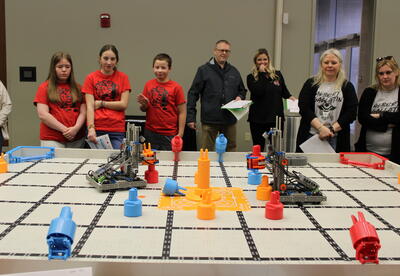
Support in developing engaging, inclusive, and hands-on STEM learning experiences. Assistance includes integrating problem-based learning, equitable access to STEM education, and incorporating technology to support diverse learners.
-
Multi-Tiered Systems of Support (MTSS)
Guidance and professional development to design, implement, and refine MTSS frameworks for academic, behavioral, and social-emotional support. Includes data-based decision making, progress monitoring, and effective intervention planning.
-
Emotional Support
Consultation and professional learning focused on supporting students with emotional or behavioral needs. Topics include trauma-informed practices, classroom management, de-escalation strategies, social-emotional learning, and functional behavioral assessment.
-
Autistic Support
Training and consultation to strengthen programming for students with autism who are supported in general education or resource settings. Emphasis on communication, behavior, social interaction, and evidence-based instructional practices such as visual support, structured teaching, and peer-mediated interventions.
-
Additional Targeted Support and Improvement (ATSI)
Support for schools identified under ESSA as needing additional targeted improvement for specific student groups. Assistance includes root cause analysis, evidence-based intervention planning, implementation coaching, and data-driven continuous improvement.
-
Targeted Support and Improvement (TSI)
Collaboration with school teams to address identified areas of need based on performance data. Support includes professional learning, data analysis, intervention selection, and fidelity monitoring to ensure sustainable growth and equity for all learners.
-
Comprehensive Support and Improvement (CSI)
Customized support for schools identified for comprehensive improvement. IU1 TaC staff collaborate with leadership teams to implement systemic changes through evidence-based interventions, leadership development, and data-informed planning for school turnaround.
How to Request Technical Assistance
Please use the TaC: Request for Services link to submit your support request.
Our team will work with you to:
- Clarify your needs and desired outcomes
- Recommend professional development or consultation options
- Plan next steps and schedule support
Contact Us

Training and Consultation Staff

Assistant Executive Director/Title IX Coordinator