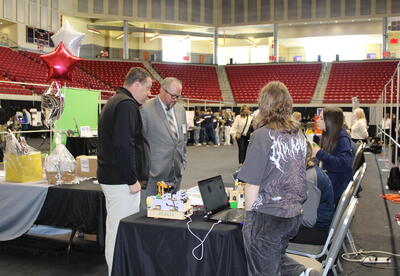
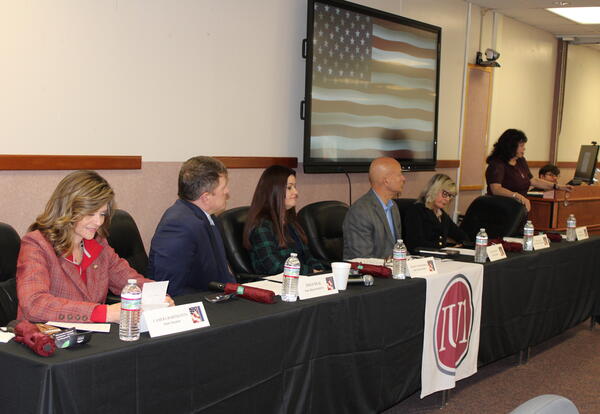
Intermediate Unit 1 (IU1) hosted a Legislative Forum on February 20th at its Central Office, bringing together state legislators, students, and educational leaders from Greene, Fayette, and Washington counties for thoughtful dialogue on the future of public education in Southwestern Pennsylvania.
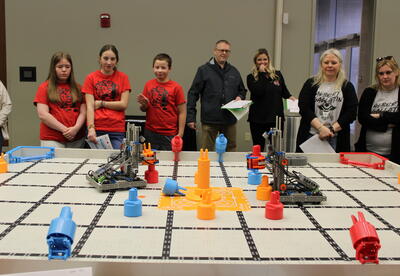
The day began with a brief tour of IU1’s new Empowerment School, an innovative program designed to provide students with a highly structured, supportive learning environment that focuses on social-emotional growth, behavioral support, and individualized academic instruction. The Empowerment School is designed to meet the needs of students who benefit from smaller class sizes, specialized supports, and a restorative approach that helps them build skills, confidence, and pathways toward long-term success.
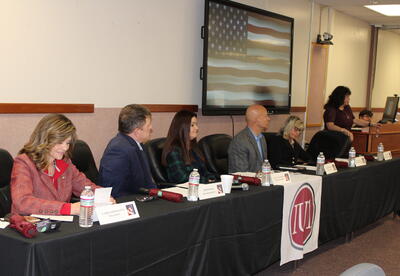
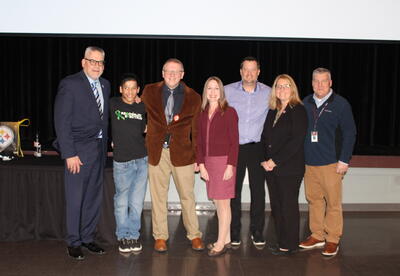
The event then transitioned to IU1 Central Office, where participating legislators included Pennsylvania State Senator Camera Bartolotta and Pennsylvania State Senator Pat Stefano, along with Pennsylvania State Representative Charity Grimm Krupa; Pennsylvania State Representative Tim O'Neal; and the district manager from the office of Ryan Warner. Superintendents, principals, teachers, IU1 staff, and supervisors were also in attendance, representing districts across the three-county region.
The forum began with student-submitted questions, shared in advance with legislators to encourage meaningful and informed discussion. Students raised issues ranging from funding equity and workforce readiness to how legislation impacts young people and how student voice can shape public policy. A significant portion of the discussion focused on the growing role of artificial intelligence in education. Senator Bartolotta encouraged students to embrace emerging technology while being careful not to use AI as a crutch, emphasizing the importance of critical thinking and originality. Representative Grimm Krupa spoke about using AI responsibly, noting that no level of technology can replicate human individuality, creativity, and lived experience.
Cell phone bans in schools also emerged as a timely topic, generating a collective discussion among legislators and students about pilot programs, potential legislative proposals, and how possible policies could affect the school day. Students provided direct input and asked clarifying questions about how such measures might be implemented locally.
Following the student-led portion, legislators addressed questions submitted in advance by educational leaders. Discussion centered on state budget planning and funding stability, literacy and instructional mandates, rising special education costs, school safety, emergency management preparedness, and student mental health supports. The conversation emphasized the importance of consistent communication, forward-thinking planning, and strong partnerships between school districts and lawmakers to ensure policies are both practical and responsive to the realities faced by schools. Leaders underscored the value of working collaboratively to anticipate challenges, align resources, and support sustainable solutions that benefit students, staff, and communities across the region.
During lunch, which was prepared by the Culinary Arts program at Mon Valley Career and Technology Center, students and legislators continued their conversations in a more informal setting, allowing for deeper engagement and relationship-building beyond the formal question-and-answer format.
The forum concluded with students inviting legislators to visit their respective school districts to continue the dialogue within their own school communities. The event reflects IU1’s ongoing commitment to fostering strong partnerships between education leaders, students, and elected officials to support opportunity, innovation, and student success across Southwestern Pennsylvania.